






The cheese platter, the star of the most elegant presentations, is a way of serving that allows you to experience a variety of flavors all at once. Especially when served alongside a variety of drinks, a cheese platter—when prepared correctly—enhances the enjoyment of a good dinner many times over. Similarly, a light yet flavorful cheese platter is a must-have for breakfast. So, how do you prepare a cheese platter? Read on to find out.
How Do You Make a Cheese Platter?
Which can be enjoyed with a variety of beverages peynir A cheese platter allows you to serve a variety of flavors all at once. You can serve a cheese platter for breakfast or as an appetizer with wine or raki. Of course, we should mention that there are various details you need to keep in mind when preparing a cheese platter.
Here’s a step-by-step guide to preparing a great cheese platter:
- Bring out a cheese platter large enough to serve all your guests. If you’re expecting a large group and don’t have a cheese platter that’s big enough, you can bring out more than one.
- Decide which cheeses you’ll serve and what appetizers you’ll pair them with. If you’re serving an alcoholic beverage, choose it based on the cheeses you’ll be serving.
- For cheeses that should be served warm, take them out about an hour before serving and let them come to room temperature.
- Wash your plates and utensils thoroughly.
- Carefully slice the cheeses and arrange them on the cheese platter in a specific pattern.
- Arrange the appetizers and—if any—garnishes on the plate as well.
- Put the finishing touches on the plate and make sure all the appetizers and cheeses are arranged properly.
- Serve the dish.
How Should a Cheese Platter Be Presented?
Preparing a cheese platter requires attention to detail and care. It can be a fun activity for people who enjoy spending time in the kitchen; combining different ingredients, arranging the cheeses, garnishing the platter, and selecting the right knives for the cheeses is a pleasure in itself. Of course, there are also some things to keep in mind when preparing a cheese platter.
First of all, the cheese platters you prepare should offer a wide variety of options. A good cheese platter should include different types of cheese and appetizers, along with plenty of accompaniments. This way, you can ensure your guests experience a variety of flavors as they enjoy the cheeses.
In addition, you should choose the serving platter carefully. It’s always best to select a spacious and elegant platter that won’t make the various cheeses you place on it look cluttered and will allow you to easily arrange the accompaniments. At the same time, the cutters, slicers, and knives you provide for your guests alongside the platter should be suitable for cutting cheese. If you’re adding a special type of cheese to the platter, you might consider including a special knife for that cheese.
In general, you should pay attention to color when preparing a cheese platter. Make sure the appetizers and accompaniments you include don’t disrupt the color harmony on the plate. Arrange cheeses of different colors in an orderly fashion to create a more appealing presentation. If you think your platter looks too plain, add some garnishes to create a bit of contrast. Seasonal greens or leaves are a great example—we’ll discuss this in more detail in the next section.
One of the most common beverages served alongside a cheese platter is wine. However, choosing a good wine isn’t always easy. You need to select a wine that complements the overall flavor profile of the cheeses on the platter. You can do this by learning which wines pair well with different types of cheese.
Things to Keep in Mind When Serving a Cheese Platter
Preparing a cheese platter is an art. You should carefully consider every detail, arrange your platter beautifully, and adorn it with the most colorful garnishes. That way, you can serve a unique cheese platter to all your guests.
If you're wondering how to prepare a cheese platter, here's everything you need to know:
Choose your cheese carefully: Having a variety of cheeses on your cheese platter creates a more appealing presentation. So, try to include a mix of hard, soft, white, yellow, salty, and sweet cheeses on your platter. However, don’t just pile every cheese you find in the fridge onto the platter—be selective. By choosing high-quality cheeses, you’ll not only give your platter a rich, inviting look but also treat your guests to a truly unique presentation.
Choose the right serving platter and utensils: Are you putting Parmesan cheese on the plate? Place a suitable knife next to it. Will you be serving different kinds of cheese? Make sure you’ve set out enough cheese slicers for all your guests. Will you be serving grated cheese? Don’t forget to place it in an appropriate container. In short, make sure you’ve chosen all the right utensils, including the plate. Make a professional impression with an elegant serving plate or a serving board.
Arrange the cheeses in an orderly manner: The cheeses you place on the cheese platter should be arranged in a specific order. One of the most common arrangements is to place the mildest-tasting cheeses in the front and the stronger ones in the back. In addition, the color, shape, or size of the cheeses can also serve as good criteria for arrangement; you can group dark-colored cheeses together and light-colored ones separately, or arrange the cheeses from smallest to largest.
Be careful when choosing a companion: The accompaniments to a cheese platter are just as important as the cheese itself. Create an aesthetically pleasing presentation by adding fruit slices, bunches of grapes, nuts, olives, crackers, or various appetizers to your platter. This way, you’ll not only add visual appeal to your platter but also give your guests something to eat besides cheese. Make sure the accompaniments you choose pair well with the cheese in terms of flavor. Even the sweet fruits you select shouldn’t overpower the cheese’s flavor.
Galetalar, ekmekler ve krakerler ekleyin: Cheese and baked goods are an inseparable pair. If you’d like to offer your guests the unique flavor of this pairing, you can add a variety of crackers, baked goods, and breads to your cheese platter. Salty snacks like grissini, baguette slices, or crackers are essential components of traditional cheese platters. Thanks to these treats, which offer different textures and flavors, sampling the cheeses on the platter will be a real pleasure for your guests.
Decorate your plate with garnishes: If you want to add a touch of elegance to your plate, you can garnish it with fresh herbs, flowers, or leaves. You can also give your plate a unique touch with various edible garnishes. The only thing to keep in mind when garnishing your plate is to make sure that the garnishes you use are edible and pose no health risks.
Etiketler ekleyebilirsiniz: If you want your guests to know what they’re eating, you can place small notes on your serving plates. This method is especially useful for labeling cheeses that contain allergens and warning guests with allergies.
Pay attention to the serving temperature of the cheeses: Not all cheeses are served cold. Some cheeses may need to sit at room temperature for between half an hour and an hour before serving. If you’re unsure how long a particular cheese should sit, you can look it up online or—if you have one—consult a cheese and appetizer encyclopedia.
Keep your guests' needs in mind: If you have vegan or lactose-intolerant guests, adjust your appetizer options to accommodate them. This way, you’ll ensure that guests who don’t eat—or can’t eat—cheese or dairy products can still join you.
Always make hygiene a top priority: Pay close attention to hygiene both when preparing the cheese platter and when serving it. Wash your hands thoroughly before handling the cheese, make sure the knife you used to cut the fruit is clean, and—if you have long hair—wear a hairnet. After serving, thoroughly clean the serving platter and all utensils used. Store any uneaten cheese in a sealed container in the refrigerator.
Cheeses Based on Flavor Pairings
You’re putting together your cheese platter, but wait a minute! You still haven’t decided what to serve with it. You’ve spent hours wondering, “What goes well with this cheese? What pairs well with that cheese?” and still haven’t made up your mind. Luckily, we at Bahçıvan Peynir are here to help! Below, you’ll find foods and drinks that pair well with different types of cheese.
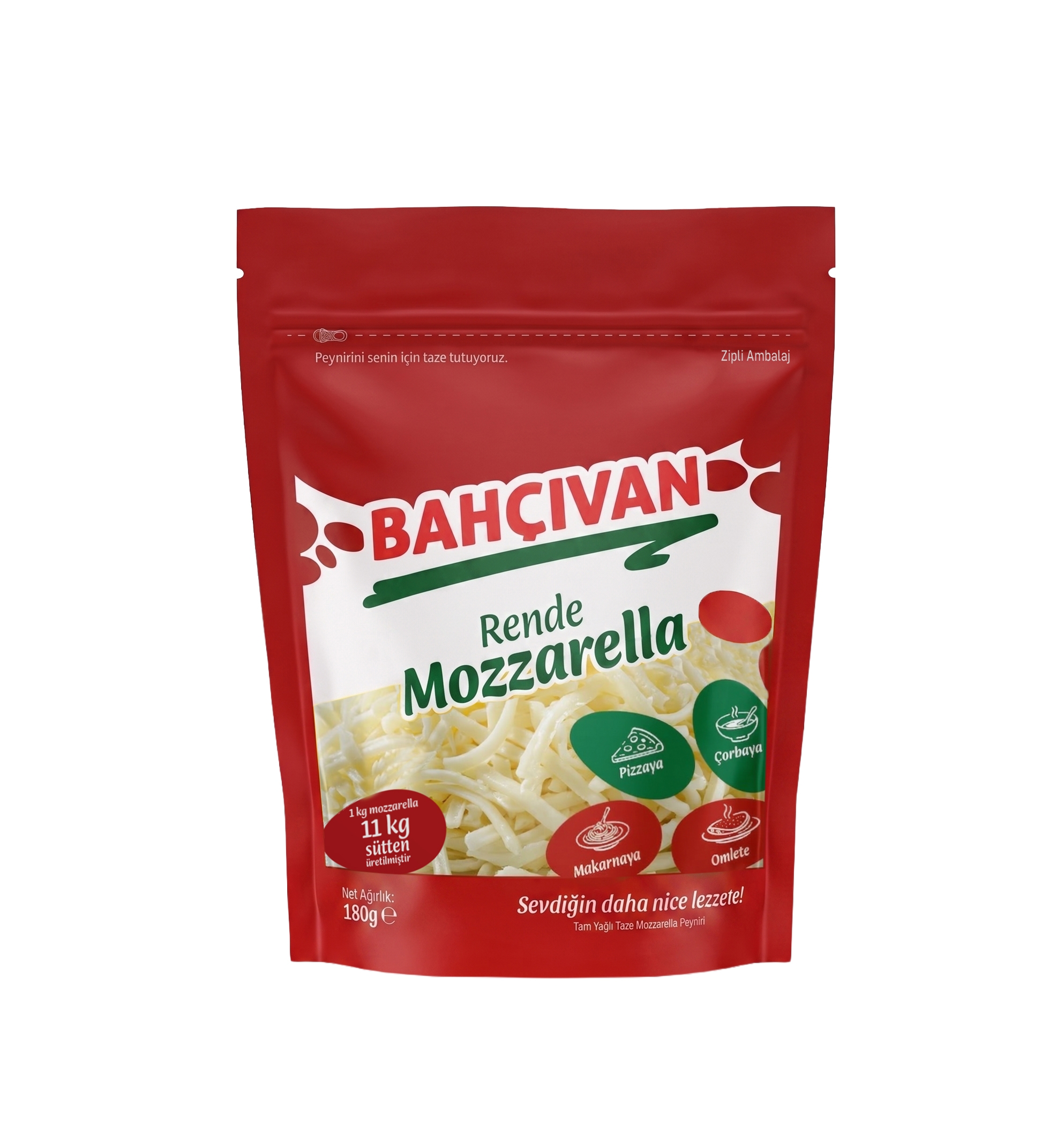
Fresh, soft, and creamy cheeses generally pair well with white wine. That’s why you can serve white wine alongside a platter featuring mozzarella, burrata, mascarpone, ricotta, caboc, and various fresh farm cheeses. You can create a unique cheese platter by pairing these cheeses with sweet fruits and nuts.
Cheeses that we refer to as “semi-hard” pair well with light-bodied red wines. You can also easily enjoy these cheeses with aromatic white wines. Generally edam, reblochon, langres ve fontina Cheeses such as these are preferred for this type of presentation; sweet fruits and nuts can also be used as garnishes.
Hard cheeses, which are rich in flavor and aroma, are the perfect match for full-bodied red wines. Pecorino, Kars gravyeri, beaufort ve comté These cheeses pair wonderfully with these types of wines. As for sparkling wines, blue-veined and slightly salty cheeses are recommended; the famous camembert, brie Or tulum cheese wrapped in Mersin cloth could serve as examples of these.
If the cheese platter is being prepared to be enjoyed with raki rather than wine, more regional cheeses may be preferred. Traditional flavors such as Ezine, Toros goat cheese, Trakya kaşar, Diyarbakır örme cheese, Bergama tulum, Divle obruk cheese, and Erzincan tulum are essential staples of any raki table.
What Should a Breakfast Cheese Platter Look Like?
If you’re wondering how to prepare a breakfast cheese platter, we have good news for you. A breakfast cheese platter is a bit easier to prepare than the cheese platters made for guests on special occasions, and it offers more freedom in presentation. Of course, just as with any cheese platter, you should keep the number of guests in mind when preparing a breakfast cheese platter.
If you’re preparing a cheese platter for a few people, you can arrange as many types of cheese as there are guests on a wide, flat platter. Sprinkling sesame seeds over the cheeses and serving salami or sausage on the side will give your platter a much more appealing look. For larger gatherings, you might consider serving more than one cheese platter.
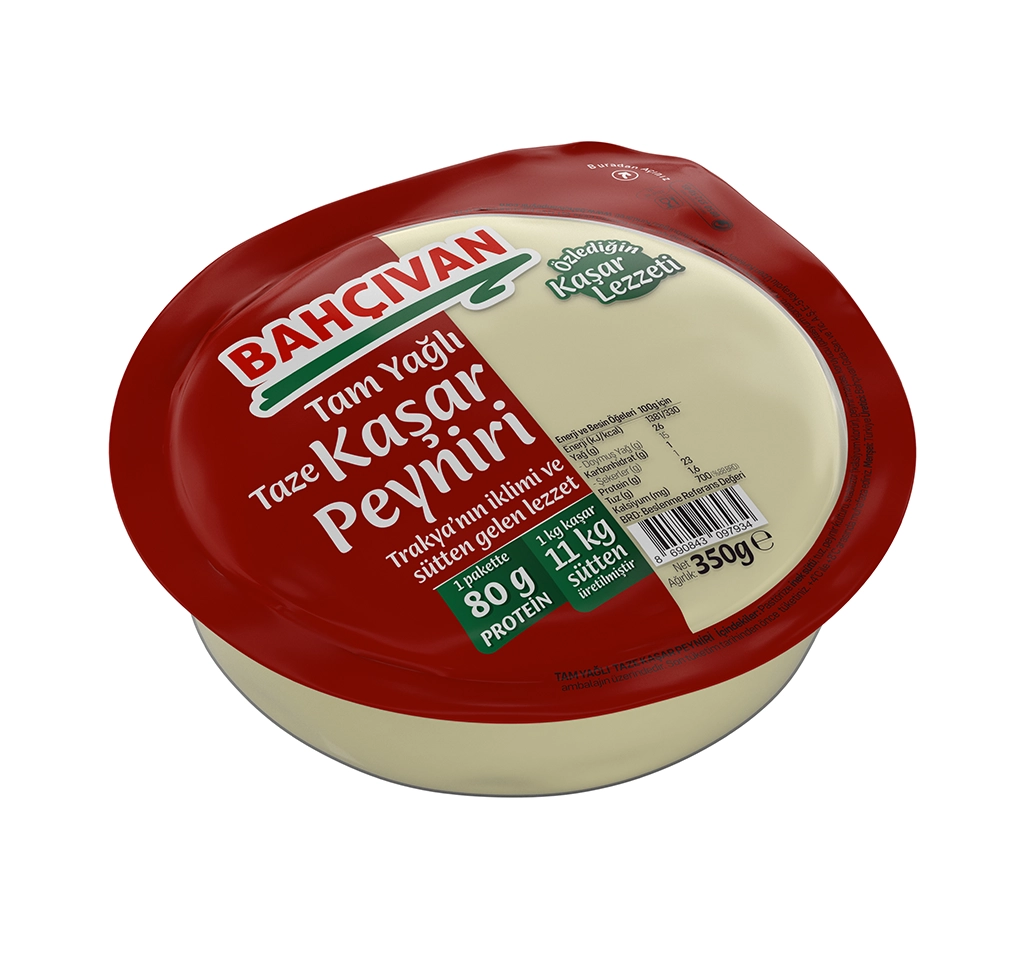
For breakfast, people generally prefer lighter and less salty cheeses. For this reason, you should make sure to choose the right cheeses. White cheese and kashar are among the main cheeses that should be included on these platters. You definitely shouldn’t overlook herb-flavored cheese, which is an essential part of any breakfast cheese platter.
If you’d like, you can round out your breakfast cheese platter with light baked goods like crackers or grissini. Breakfast items like simit, poğaça, or sigara böreği should definitely not be overlooked. Although we don’t recommend them too often because they’re high in fat, you can also add french fries or potato chips to your breakfast cheese platter.
Of course, the ideal cheese platter is one that includes more than just cheese. That’s why you can also add a variety of accompaniments to your cheese platter, such as jam, olives, walnuts, oranges, strawberries, bananas, hazelnut spread, or peanut butter.
To add variety to your breakfast table, you can prepare breakfast dishes to enjoy with cheese. Dishes like omelets, scrambled eggs, or pancakes will allow you to add different flavors to your breakfast table and provide you with a nutritious breakfast.

